
Mental Health Education
Many mental health disorders first appear during the teenage years. Recognizing these disorders can help you better understand your own experiences, support a friend, and know when it's time to reach out for help.
Like our bodies, our minds can experience health challenges; these challenges are called mental health disorders. They can affect our thoughts, feelings, and behaviors, but with the right support and care, people can learn to manage them and feel better.
Quick Links:
Disclaimer: This information is for educational purposes only and is not a medical diagnosis. You may recognize some of these signs in yourself, but that does not necessarily mean you have a mental health disorder. If you have concerns about your mental health, consider reaching out to a mental health professional for support and guidance.
Anxiety
What is anxiety?
Anxiety disorders involve persistent, excessive worry/fear that interfere with daily activities. While anyone can experience anxiety or stress, anxiety disorders create a constant source of worry and disruption to daily life.
What are the different types of anxiety?
Anxiety disorders can take many forms. Commonly, this includes:
-
Generalized Anxiety Disorder (GAD): constant, excessive worry about everyday things
-
Panic Disorder: repeated, unexpected panic attacks
-
Social Anxiety Disorder: overwhelming fear/avoidance of social situations due to fear of being judged
-
Phobia-Related Disorders: intense, irrational fear of specific objects/situations (heights, spiders, public places, etc.)
-
Separation Anxiety: excessive fear of being separated from loved ones
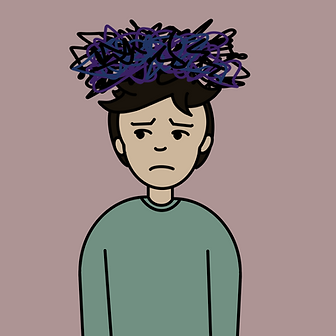
What does anxiety feel like?
Although triggers can vary, anxiety disorders share many common symptoms:
-
Physical: racing heart, sweating, frequent stomachaches/headaches, shortness of breath, trouble falling asleep (racing thoughts)
-
Mental: constant "what-if" thinking, fearing worst-case scenario, mind going blank under pressure, feeling intensely self-conscious around peers
-
Behavioral: avoiding situations that trigger fear, needing constant reassurance from others
If you relate to any of this information, please consider looking at:
Depression
What is depression?
Depression is a mood disorder that causes persistent sadness, loss of interest, and physical fatigue. It influences how you think, feel, and behave, making it hard to function normally. Unlike sadness (a normal, temporary reaction to an event/bad day), depression often has no specific cause.
What are the different types of depression?
Depression disorders can take many forms. Most commonly, this includes:
-
Major Depressive Disorder (MDD): constant sadness or loss of interest that significantly interferes with daily life
-
Bipolar Disorder: periods of major depression that alternate with periods of high-energy mania
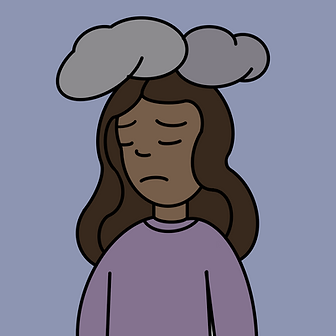
What does depression feel like?
Some of the most common symptoms of depression include:
-
Physical: feeling constantly exhausted, changes in appetite, unexplained aches/pains
-
Mental: feeling empty/hopeless, losing interest in hobbies/sports/music, intense irritability
-
Behavioral: withdrawing from friends/family, dropping grades, skipping activities, sleeping as escape
If you relate to any of this information, please consider looking at:
ADHD
What is ADHD?
Attention-Deficit/Hyperactivity Disorder (ADHD) is a condition characterized by persistent patterns of inattention, hyperactivity, or impulsivity that can disrupt daily life. It typically begins in childhood and often continues into adulthood.
What are the different types of ADHD and what do they feel like?
ADHD is generally organized into two main categories, creating three primary diagnoses:
-
Inattention: trouble staying focused, poor time management, frequently losing items, difficulty completing tasks
-
Hyperactivity and Impulsivity: restlessness, fidgeting, constant talking, interrupting others, acting without thinking
-
Combined: mix or inattentive and hyperactive-impulsive symptoms
If you relate to any of this information, please consider looking at:

OCD
What is OCD?
Obsessive-compulsive disorder (OCD) is a condition characterized by a cycle of uncontrollable, recurring thoughts (obsessions) and repetitive behaviors (compulsions). Although people with OCD often realize these thoughts and rituals are excessive or irrational, it feels impossible to stop them.
What do obsessions and compulsions look like?
-
Obsessions: Constant intrusive thoughts, urges, or mental images that cause great distress (eg. fear of germs, extreme doubts, need for perfect symmetry)
-
Compulsions: repetitive behaviors/mental rituals that a person feels driven to perform to counter their obsessions (eg. excessive hand washing, checking locks, organizing items precisely)
If you relate to any of this information, please consider looking at:

OCD is commonly joked about or referenced casually in language. In response to organization or peculiarity, people often joke "You're so OCD" or "That's so OCD". However, OCD is much more complex than this, and using these terms can be extremely distressing to people living with OCD.
Eating Disorders
What are eating disorders?
Eating disorders are characterized by an unhealthy, obsessive focus on diet, weight, and body shape, which can severely disrupt physical health and emotional well-being.
What are the common types of eating disorders?
There are many different types of eating disorders that affect both males and females. They might include dietary restriction or excessive exercise, but are most commonly categorized by:
-
Anorexia Nervosa: severe restriction of calorie intake, driven by intense fear of gaining weight and a distorted body image
-
Bulimia Nervosa: cycles of binge eating followed by behaviors like forced vomiting, excessive exercise, or laxative misuse
-
Binge-Eating Disorder (BED): uncontrollable episodes of eating large amounts of food, without purging, followed by deep shame or guilt
-
Orthorexia Nervosa: an unhealthy, extreme obsession with eating healthy or "clean" food that can lead to malnutrition
-
Avoidant/Restrictive Food Intake Disorder (ARFID): lack of interest in eating/foods based on textures, colors, or smells, causing nutritional deficiencies

What do eating disorders feel like?
Some of the most common symptoms of eating disorders include:
-
Physical: feeling constantly cold/dizzy, feeling weak/fatigued, stomach discomfort, nausea, hair thinning, dry skin, brittle nails
-
Mental: constant thoughts about food/calories/body size, feeling intense guilt after eating, basing self-worth on appearance/diet, overwhelming fear of gaining weight
-
Behavioral: strict dietary rules, withdrawing from social events involving food, overexercising, eating in secret
If you relate to any of this information, please consider looking at: